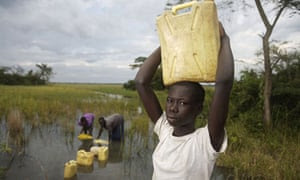
The time poverty trap

After having explained my interest in the issue of women and water in Africa, and now that I have briefly contextualised the physical difficulty of water provision in my last two posts, I can now begin to draw attention to gender. The first aspect that I want to elaborate and explore is the widening of the gender equality gap through time poverty. As I discussed in my first post, time poverty refers to the ‘unavailability of time for productive work’ ( Jan and Pervez 2015: 64 ). This refers to the difficulty for women to get involved in other activity, such as education or more formal employment, due to their time being prioritised to water collection. Whilst gender equality has become a focal point for countries, specifically those deemed as ‘developed’ although again, the definition of development is ambiguous, some countries are still yet to reverse their patriarchal stance. Some women in many African countries, such as Ethiopia, are still marginalised despite emerging ...